Industrial automation software is at the forefront of modern manufacturing, driving efficiency and productivity across various sectors. By automating repetitive tasks and streamlining processes, this software allows businesses to focus on innovation and growth.
This technology encompasses a variety of functions, from controlling machinery to integrating with accounting systems, making it a crucial component of contemporary industry practices. As companies seek to optimize operations, the adoption of industrial automation software continues to grow, reshaping the landscape of manufacturing and beyond.
Overview of Industrial Automation Software
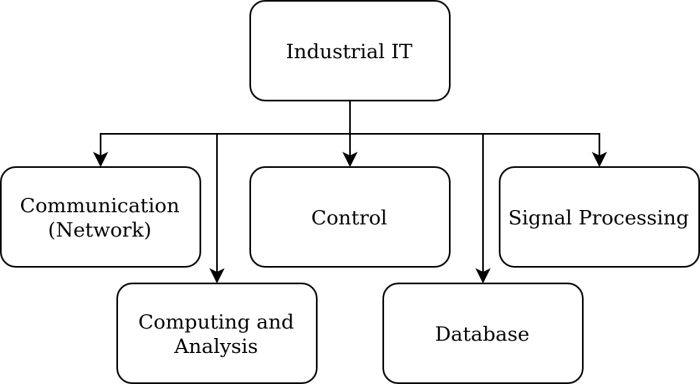
Industrial automation software is an essential component in modern manufacturing processes, enabling businesses to enhance their operational efficiencies and improve product quality. By automating various tasks, this software helps minimize human error and streamline workflows. The significance of industrial automation in contemporary manufacturing cannot be overstated, as it directly contributes to increased productivity and reduced operational costs.Key components of industrial automation software systems typically include:
- Control Systems: These systems manage and direct machinery operations.
- Human-Machine Interfaces (HMIs): HMIs allow operators to interact with machines and monitor processes.
- Data Acquisition Systems: These systems collect and analyze data from various sources to facilitate decision-making.
- Programmable Logic Controllers (PLCs): PLCs are crucial for automating control processes in manufacturing environments.
Benefits of Industrial Automation Software
The implementation of industrial automation software brings various advantages to multiple industries. The most notable benefits include:
- Increased Productivity: Automation reduces manual input, allowing for faster operation and higher output.
- Enhanced Efficiency: Automation software optimizes processes, leading to improved resource management.
- Cost Savings: Organizations save on labor costs and reduce waste through more efficient operations.
Types of Industrial Automation Software
Industrial automation software can be categorized into several types, each catering to different operational needs. Common types include:
- SCADA (Supervisory Control and Data Acquisition): Used primarily for monitoring and controlling industrial processes.
- DCS (Distributed Control Systems): Suitable for complex, continuous processes, particularly in the energy and chemical sectors.
- PLC Programming Software: Specialized for designing and programming logic controllers.
Both cloud-based and on-premises solutions play a vital role in automation, with cloud solutions offering scalability and flexibility, while on-premises systems provide greater control and security.
Industrial Automation Software and Business Accounting
Industrial automation software integrates seamlessly with business accounting systems, enhancing financial reporting processes. This integration allows for real-time financial data collection and analysis, which significantly improves transparency and accuracy. Automated payroll systems are particularly beneficial in manufacturing environments, ensuring timely payments and reducing administrative overhead.
Industrial Automation Software in Business Agriculture
The agricultural sector is experiencing a transformation due to automation software. Precision farming solutions are designed to optimize crop yields while reducing resource consumption. These technologies utilize data analytics to improve supply chain efficiency, making it easier for farmers to manage logistics and distribution effectively.
The Impact of Industrial Automation on Human Resources
In the realm of human resources, industrial automation streamlines various processes such as recruitment and employee onboarding. Automation enhances training programs by providing interactive and tailored learning experiences. However, challenges arise in the integration of automation technologies, including potential resistance from employees and the need for continuous upskilling.
Industrial Automation Software and Change Management
Change management is crucial when implementing automation software. Successful transitions to automated systems require careful planning and communication. Strategies to manage change include engaging stakeholders early and addressing any potential resistance. This proactive approach helps facilitate smoother implementations and better acceptance of new technologies.
Customer Service Enhancements through Industrial Automation
Industrial automation significantly improves customer service operations by streamlining processes and enhancing responsiveness. Automation tools in customer relationship management (CRM) help organizations manage customer inquiries more efficiently. Technologies like chatbots and AI play a pivotal role in enriching customer interactions, offering timely assistance and support.
Future Trends in Industrial Automation Software
As we look to the future, emerging technologies such as artificial intelligence and machine learning are set to shape the landscape of industrial automation. These advancements promise to enhance decision-making capabilities and optimize operations further. Additionally, potential regulatory changes may influence how industries adopt and implement automation solutions.
Case Studies and Real-World Applications
Numerous companies have successfully implemented industrial automation software, showcasing the tangible benefits of such solutions. For instance, a manufacturing firm may report increased production efficiency and lower costs after automating their assembly lines. Lessons learned from these implementations highlight the importance of careful planning, employee training, and continuous evaluation of automation strategies.
Final Wrap-Up
In summary, industrial automation software is transforming the way businesses operate by enhancing efficiency, reducing costs, and improving overall productivity. As industries evolve, embracing this technology will be essential for staying competitive and achieving long-term success.
Quick FAQs
What industries benefit the most from industrial automation software?
Industries such as manufacturing, logistics, agriculture, and energy see significant benefits from implementing industrial automation software due to increased efficiency and reduced operational costs.
How does industrial automation software improve productivity?
By automating repetitive tasks, industrial automation software allows workers to focus on higher-value activities, leading to improved productivity and faster processes.
Is cloud-based automation software better than on-premises solutions?
It depends on the specific needs of the business; cloud-based solutions offer flexibility and scalability, while on-premises solutions can provide more control over data and security.
Can industrial automation software integrate with existing systems?
Yes, many industrial automation software options are designed to integrate with existing systems, enhancing functionality without requiring a complete overhaul.
What are common challenges in implementing industrial automation software?
Challenges may include resistance to change from employees, the need for employee training, and ensuring system compatibility with existing operations.