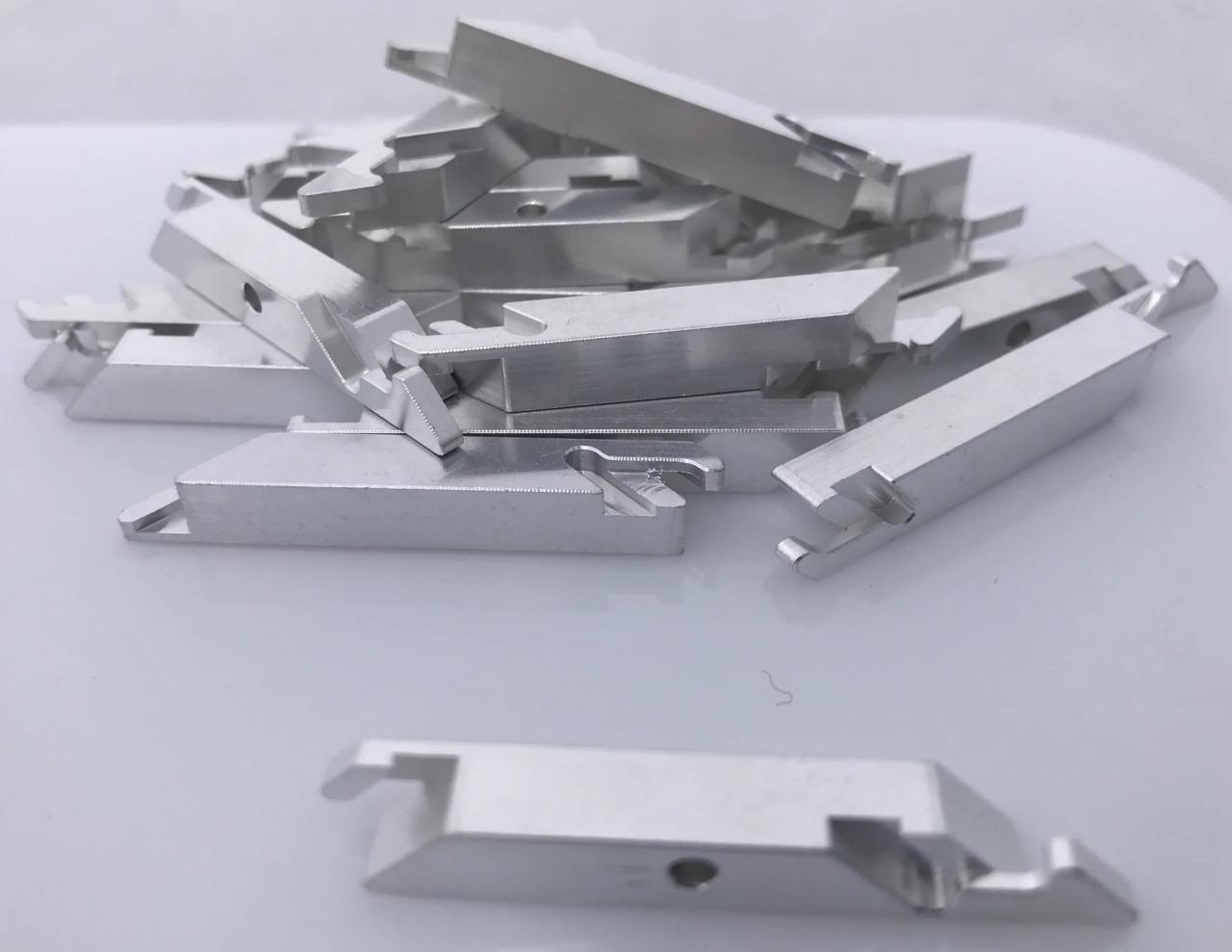
CNC machine innovations are revolutionizing the way we approach manufacturing, making processes faster, more precise, and highly efficient. These advancements have significantly influenced diverse industries, enabling businesses to keep up with the ever-changing demands of the market.
From initial development to the latest smart technologies, CNC machines have evolved dramatically. The integration of automation and intelligent systems is allowing manufacturers to achieve unparalleled productivity and customization, paving the way for new opportunities in various sectors.
CNC Machine Innovations Overview
CNC (Computer Numerical Control) technology has undergone a remarkable evolution over the years, transforming the landscape of manufacturing. From its inception in the 1940s and 50s, when it was primarily used for simple tasks, to today’s complex and highly automated systems, CNC machines have significantly enhanced production efficiency and precision.Recent advancements in CNC machines include improved capabilities in multitasking, enhanced precision through better software algorithms, and the integration of advanced materials.
Additionally, the role of automation in modern CNC machines cannot be overstated; it has led to higher productivity rates, reduced human error, and the ability to operate continuously, thereby maximizing output.
Applications in Various Industries
CNC innovations are making significant impacts across several industries, demonstrating versatility and efficiency in their applications. Some of the key sectors benefitting from these advancements include:
- Manufacturing: Precision parts for automotive and aerospace industries.
- Architecture and Interior Design: Custom furniture and intricate architectural details.
- Agriculture: Creation of specialized tools and equipment for farming.
- Construction: Fabrication of structural components and prototypes.
In architecture and interior design, CNC machines facilitate the creation of elaborate designs and customized solutions that would be impractical with traditional methods. For instance, CNC milling can produce intricate woodwork or metal fittings that enhance aesthetic appeal while maintaining structural integrity. In agriculture, CNC technology helps in producing tools such as precision seeders and planters, optimizing planting efficiency and crop yields.
Similarly, in construction, CNC machines allow for the rapid prototyping of components, leading to better project timelines and resource management.
Benefits of CNC Innovations
Utilizing CNC machines in business operations offers numerous advantages that can streamline processes and enhance productivity. When comparing traditional machining processes to modern CNC technology, several benefits become evident:
- Increased Precision: CNC machines deliver consistent accuracy, reducing waste and errors.
- Enhanced Productivity: Automation leads to faster production times.
- Cost Reduction: Lower operational costs due to decreased material waste and labor expenses.
Statistics show that businesses adopting CNC technologies report up to a 30% increase in productivity and significant reductions in costs associated with labor and material. These innovations enable manufacturers to meet the growing demands of the market efficiently while maintaining high-quality standards.
Business Accounting in CNC Operations
Managing accounting practices in CNC operations is essential for maintaining profitability and operational efficiency. Businesses can leverage various software tools that integrate CNC machinery with accounting systems, streamlining financial management processes. Some effective methods for tracking costs associated with CNC machine innovations include:
- Cost Analysis Software: Tools that provide insights into material usage and production costs.
- Time Tracking: Systems that monitor machine operation hours and labor costs.
- Inventory Management: Solutions that track raw materials and finished goods efficiently.
Implementing these tools ensures businesses can accurately assess their financial performance and make informed operational decisions.
Integrating CNC with Business Branding
CNC machines offer businesses the opportunity to enhance their branding through custom manufacturing solutions. By leveraging the capabilities of CNC technology, companies can create unique products that reflect their brand identity.A strategic approach to integrating CNC capabilities into product development involves:
- Custom Design: Utilizing CNC for bespoke designs that set products apart in the market.
- Prototyping: Rapid prototyping to test concepts and refine designs.
- Branding Elements: Incorporating logos and branding directly into products.
Successful examples of branding using CNC technology include luxury furniture brands that offer personalized designs and unique finishes, establishing a competitive edge in the marketplace.
Human Resources and CNC Training
The operation of CNC machines requires skilled labor, making training and professional development crucial for businesses. Employees must undergo training to understand the complexities of CNC programming, machine operation, and troubleshooting.Creating a framework for ongoing professional development should include:
- Initial Training Programs: Comprehensive training covering machine operation and safety protocols.
- Advanced Training Sessions: Opportunities for employees to learn about new technologies and software.
- Certification Programs: Incentivizing workers to achieve certifications in CNC operations.
A well-trained workforce is essential for maximizing the potential of CNC machine innovations and ensuring operational success.
Customer Service Enhancements through CNC
CNC innovations significantly improve customer service in the manufacturing sector. By streamlining production processes and enhancing product quality, businesses can respond more effectively to customer needs.Case studies reveal that companies utilizing CNC technology have achieved higher customer satisfaction ratings due to:
- Faster Turnaround Times: Reduced lead times for custom orders.
- Improved Product Quality: Increased consistency and precision in manufacturing.
- Enhanced Communication: Clear communication of capabilities and timelines to clients.
Techniques for businesses to convey their CNC capabilities to clients include showcasing successful projects, offering virtual demonstrations, and providing detailed product specifications that emphasize the advantages of CNC technology.
Change Management in CNC Adoption
Implementing CNC technology can be a significant shift for organizations, necessitating effective change management strategies. To facilitate a smooth transition, businesses should consider:
- Stakeholder Engagement: Involving employees in the planning and implementation process.
- Training and Support: Providing adequate training and support to ease the transition.
- Feedback Mechanisms: Establishing channels for employees to voice concerns and suggestions.
Adopting best practices in change management can help minimize resistance and foster a culture of innovation within the workplace.
Entrepreneurial Opportunities in CNC
The CNC industry offers numerous niches ripe for entrepreneurial ventures. With the rise of customization and on-demand production, aspiring entrepreneurs have the chance to carve out unique market positions.A roadmap for starting a CNC-based business could include:
- Market Research: Identifying potential customer segments and industry needs.
- Business Planning: Developing a comprehensive business plan that Artikels goals and strategies.
- Funding Opportunities: Exploring financing options to support initial startup costs.
While challenges such as competition and capital investment exist, innovative solutions and a focus on quality can lead to success in the CNC sector.
Future Trends in CNC Technology
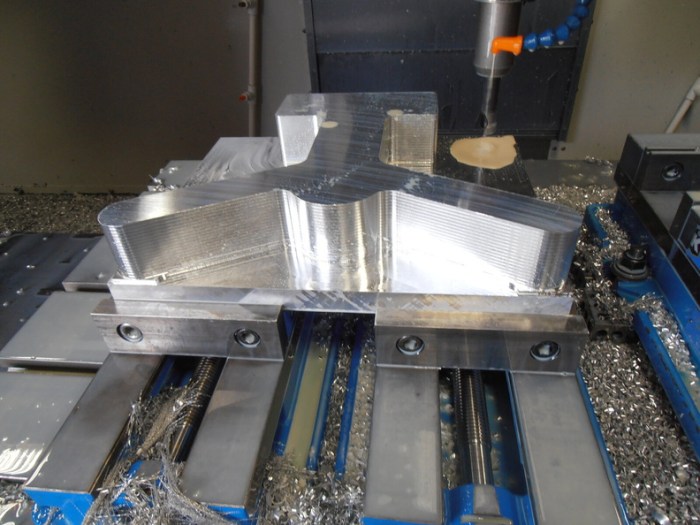
Emerging trends in CNC machine innovations are set to shape the future landscape of manufacturing. Key developments include:
- Integration of IoT: Enhanced connectivity and data sharing between machines and systems.
- AI and Machine Learning: Improved predictive maintenance and operational efficiency.
- Sustainability Practices: Innovations aimed at reducing waste and energy consumption.
As the industry evolves, businesses that embrace these trends will likely gain a competitive advantage, positioning themselves as leaders in the innovative landscape of CNC technology.
Wrap-Up
In conclusion, CNC machine innovations are not just enhancing manufacturing efficiency; they are reshaping industries and redefining business strategies. As we look to the future, embracing these technologies will be crucial for companies aiming to thrive in a competitive landscape.
FAQ Summary
What are the main benefits of CNC machine innovations?
CNC machine innovations offer increased precision, enhanced productivity, cost savings, and the ability to automate complex tasks, making them essential for modern manufacturing.
How do CNC machines differ from traditional machining?
CNC machines utilize computer programming for precision and repeatability, whereas traditional machining often relies on manual operation and can be less accurate and efficient.
What industries are most impacted by CNC innovations?
Industries such as aerospace, automotive, construction, and agriculture are significantly benefiting from CNC innovations due to improved efficiency and customization capabilities.
How can businesses integrate CNC technology into their operations?
Businesses can integrate CNC technology by investing in modern machinery, adopting specialized software for design and production, and training employees on new systems.
What role does training play in CNC operations?
Training is crucial in CNC operations as it ensures that employees are skilled in operating advanced machinery, which maximizes productivity and minimizes errors.