Beginning with Customer service training, the narrative unfolds in a compelling and distinctive manner, drawing readers into a story that promises to be both engaging and uniquely memorable.
Effective customer service training is essential for any business aiming to enhance customer satisfaction and build loyalty. By equipping employees with the right skills and knowledge, companies can not only improve their service delivery but also foster a positive work environment that boosts employee morale and retention. This training approach is fundamental in creating lasting relationships with customers and achieving business success.
Importance of Customer Service Training
Effective customer service training is vital for any business aiming for success in today’s competitive landscape. When employees are well-trained, they are equipped with the skills needed to meet customer expectations, leading to positive experiences that foster loyalty. This connection between training and customer satisfaction is straightforward: well-informed staff can address concerns more efficiently, creating a ripple effect that enhances overall brand reputation.Moreover, the impact of customer service training extends beyond the customer experience.
It significantly influences employee morale and retention. When employees feel empowered to resolve issues and provide excellent service, they are more likely to feel satisfied in their roles, leading to lower turnover rates.
Impact on Customer Satisfaction and Loyalty
Customer satisfaction and loyalty are intrinsically linked to the level of service provided. Effective training equips staff with:
- Communication Skills: Employees learn how to engage with customers effectively.
- Problem-Solving Techniques: Training fosters a mindset for quickly resolving issues.
- Empathy Development: Understanding customer emotions can lead to better interactions.
These skills create an environment where customers feel valued and appreciated, encouraging repeat business.
Improvement of Employee Morale and Retention
When training programs focus on employee development, morale improves. Employees are more likely to stay with a company that invests in their growth. Key benefits include:
- Increased Job Satisfaction: Employees who undergo training feel more competent in their roles.
- Enhanced Team Dynamics: Training fosters collaboration and teamwork among staff.
- Lower Turnover Costs: Reduced employee turnover saves on hiring and training new staff.
Key Components of Effective Customer Service Training
An effective customer service training program incorporates various essential skills that align with the business’s goals.
Essential Skills for Training Programs
Effective customer service training should include:
- Active Listening: Ensuring that employees can truly hear customer needs.
- Conflict Resolution: Equipping staff with strategies to handle difficult situations.
- Product Knowledge: Comprehensive understanding of the product or service offered.
By covering these core skills, businesses can build a solid foundation for exceptional customer service.
Training Methodologies
Different methodologies can enhance the effectiveness of training programs:
- Interactive Workshops: Engaging employees through hands-on experiences.
- Online Modules: Flexible learning options that employees can complete at their own pace.
- Mentorship Programs: Pairing inexperienced staff with seasoned employees for guidance.
Incorporating a mix of these methodologies ensures a well-rounded training experience.
Incorporation of Technology
Technology plays a crucial role in modern training programs. Tools like customer relationship management (CRM) software and virtual reality simulations can:
- Enhance Learning: Providing realistic scenarios for practice and application.
- Track Progress: Allowing for better assessment of employee development.
- Facilitate Remote Training: Making training accessible regardless of location.
Customer Service Training Techniques
Various techniques can be employed to deliver effective customer service training.
Role-Playing and Simulations
Role-playing exercises allow employees to practice their skills in a controlled environment. This method encourages:
- Real-time Feedback: Immediate critique helps in refining techniques.
- Scenario-Based Learning: Employees experience different customer interactions.
Simulations can also prepare employees for high-pressure situations, enhancing their confidence.
Evaluating Training Effectiveness
To ensure training programs are successful, methods for evaluation are essential. Techniques include:
- Surveys: Gathering feedback from trainees about their learning experience.
- Performance Metrics: Analyzing customer satisfaction scores post-training.
- Observation: Monitoring employee interactions to assess skill application.
Checklist for Comprehensive Training Materials
A well-structured training program requires comprehensive materials. Key elements to include are:
- Clear Objectives: Outlining what the training aims to achieve.
- Relevant Case Studies: Providing real-world examples to illustrate concepts.
- Engaging Activities: Incorporating interactive components to enrich learning.
Customer Service Training for Different Industries
Different industries require tailored approaches to customer service training.
Construction Industry vs. Business Consulting
In the construction sector, training often emphasizes safety and compliance, while business consulting focuses on relationship building and strategic communication. Key distinctions include:
| Aspect | Construction | Business Consulting |
|---|---|---|
| Focus Areas | Safety Protocols, Compliance | Client Relations, Strategic Planning |
| Training Methods | Hands-On Workshops, Safety Drills | Workshops, Simulations |
Considerations for the Hospitality Sector
In hospitality, customer service training must emphasize:
- Personalized Service: Understanding individual customer needs.
- Cultural Sensitivity: Training staff to interact respectfully with diverse guests.
- Problem Resolution: Equipping staff with skills to handle complaints effectively.
Adaptations for Agriculture Business
The agriculture sector also has unique training needs. Key considerations include:
- Seasonal Variability: Adapting training schedules to align with peak seasons.
- Product Knowledge: Understanding the intricacies of different crops and livestock.
Integrating Business Ethics in Customer Service Training
Business ethics play a crucial role in shaping customer service practices.
Role of Ethics in Customer Service
Integrating ethical practices into training ensures that employees:
- Make Informed Decisions: Understanding the implications of their actions.
- Build Trust: Establishing a reputation for integrity with customers.
Ethical Dilemmas in Customer Service
Customer service representatives may face dilemmas such as:
- Confidentiality Breaches: Balancing transparency with privacy.
- Pressure from Management: Navigating expectations while maintaining ethics.
Module for Ethical Decision-Making
Designing a module for ethical decision-making should include:
- Case Studies: Real-life examples of ethical dilemmas in customer service.
- Discussion Forums: Encouraging dialogue on ethics among employees.
- Guidelines: Providing a framework to help employees navigate tough choices.
Continuous Improvement in Customer Service Training
Ongoing training and development are essential for sustaining high levels of customer service.
Strategies for Ongoing Development
Implementing continuous improvement strategies can include:
- Regular Refresher Courses: Keeping skills sharp and relevant.
- Mentorship Opportunities: Encouraging peer learning and support.
- Industry Conferences: Staying updated on the latest trends and practices.
Gathering Feedback from Employees
Feedback mechanisms should be in place to gather insights from employees about their training experience. This can involve:
- Anonymous Surveys: Ensuring honest feedback without fear of repercussions.
- Focus Groups: Engaging in discussions to gather qualitative insights.
Analyzing Training Outcomes
Analyzing outcomes helps in enhancing future programs. Key methods include:
- Tracking Performance Metrics: Monitoring changes in customer satisfaction ratings.
- Identifying Knowledge Gaps: Assessing areas where further training is needed.
Case Studies of Successful Customer Service Training
Examining successful case studies highlights the importance of strategic training.
Success Stories of Businesses
Numerous companies have successfully implemented customer service training programs that yielded significant improvements, such as:
- A retail chain that saw a 30% increase in customer retention after comprehensive staff training.
- A restaurant that improved its online reviews by focusing on staff communication skills.
Challenges Faced Without Proper Training
Companies lacking adequate training face various challenges, including:
- High Turnover Rates: Employees often leave due to frustration over lack of support.
- Poor Customer Feedback: Untrained staff may struggle to meet customer needs.
Long-term Benefits of Robust Training Programs
Organizations with strong training programs tend to experience:
- Increased Customer Loyalty: Satisfied customers often return and recommend the business.
- Positive Brand Image: A reputation for excellent service strengthens market position.
Linking Customer Service Training to Business Outcomes
Understanding the correlation between customer service training and business outcomes is crucial for investment decisions.
Impact on Business Metrics
Effective customer service training is directly linked to improved business metrics. For instance:
- Increased Revenue: Satisfied customers are more likely to make repeat purchases.
- Lower Operational Costs: Efficient service reduces the need for extensive complaint handling.
Financial Implications of Investment
Investing in customer service training not only enhances service quality but also offers significant financial returns. Studies indicate that:
- Every dollar spent on training can yield up to $4 in increased productivity.
- Companies with well-trained staff report 30% higher customer satisfaction ratings.
Better Branding and Advertising
Companies that prioritize customer service training often see benefits in branding:
- Stronger Customer Relationships: Positive interactions lead to favorable word-of-mouth.
- Enhanced Online Presence: Satisfied customers share their experiences on social media.
Role of Human Resources in Customer Service Training
Human Resources (HR) plays a crucial role in the development and implementation of training programs.
Facilitating Training Programs
HR can facilitate effective training by:
- Identifying Training Needs: Collaborating with department heads to understand specific requirements.
- Resource Allocation: Ensuring budget and resources are available for training initiatives.
Collaboration with Department Heads
Close collaboration between HR and department heads is vital for aligning training with business goals. Key actions include:
- Regular Meetings: Discussing ongoing training needs and updates.
- Feedback Loops: Sharing insights on employee performance and areas for improvement.
Guidelines for Assessing Training Effectiveness
HR professionals should establish guidelines to assess training effectiveness. This can involve:
- Setting Clear Metrics: Defining what success looks like post-training.
- Conducting Follow-Up Assessments: Evaluating long-term impacts of training on employee performance.
Future Trends in Customer Service Training
The landscape of customer service training is evolving rapidly, with several new trends emerging.
Emerging Trends
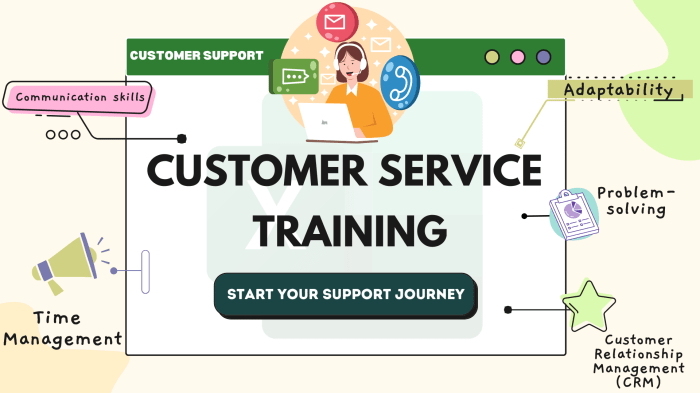
Notable trends include:
- Personalized Learning: Customized training experiences tailored to individual employee needs.
- Gamification: Using game-like elements to enhance engagement and learning outcomes.
- Blended Learning Approaches: Combining online and in-person training for a comprehensive experience.
Role of Artificial Intelligence
Artificial intelligence is beginning to shape customer service training methods by:
- Offering Data-Driven Insights: Analyzing employee performance and customer interactions.
- Enhancing Training Programs: Providing adaptive learning paths based on individual progress.
Influence of Remote Work
The rise of remote work has influenced training practices by:
- Increased Demand for Virtual Training: More companies are adopting online platforms for training.
- Focus on Digital Tools: Training incorporates software that supports remote service delivery.
End of Discussion
In summary, investing in customer service training is not merely a trend but a vital component of any successful business strategy. By focusing on the key elements of effective training, organizations can ensure that their employees are well-prepared to handle customer interactions, ultimately leading to enhanced satisfaction and loyalty. As businesses adapt to changing dynamics, continuous improvement in training will be crucial for sustained success in the marketplace.
Essential Questionnaire
What is the primary goal of customer service training?
The primary goal of customer service training is to equip employees with the skills and knowledge necessary to provide exceptional service, enhancing customer satisfaction and loyalty.
How often should customer service training be conducted?
Customer service training should be conducted regularly, ideally on a continuous basis, to adapt to changing customer expectations and improve service skills.
What methods can be used to measure the effectiveness of customer service training?
Effectiveness can be measured through customer feedback, employee performance assessments, and tracking business metrics such as sales and customer retention rates.
Can technology be incorporated into customer service training?
Yes, technology such as online training modules, virtual simulations, and AI-driven tools can greatly enhance the learning experience and effectiveness of customer service training.
What are some common challenges in implementing customer service training?
Common challenges include resistance to change from employees, lack of time for training, and ensuring that training is relevant to specific job roles.